Is the Fruit Bowl Your Wellness Program?
Did you know August is Wellness Month? Some organizations throw a step challenge, hand out a stress ball, and call it a year. Then it is back to business as usual until next August rolls around.
Maybe it makes sense, though. August has that “new beginnings” energy. Kids are heading back to school, summer is winding down, and everyone is resetting. So why not make it the month we talk about wellness too?
Here is the real question: Regardless of the calendar, what are you actually doing to support wellness for you, your team, and your organization?
Wellness is not a side project for HR to dust off once a year. It is tied directly to retention, compliance, risk, and productivity. Treat it that way, and it pays for itself. Treat it like a perk, and it is just noise nobody remembers by September.
Here is how to build a wellness program that actually delivers a return, whether you are starting from scratch or fixing what is not working.
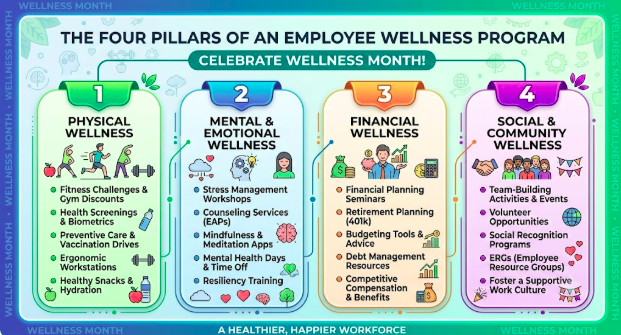
The Four Pillars of a Real Wellness Program
A real wellness strategy covers more ground than most people expect. Here is what each piece looks like in practice, and why it matters to your bottom line.
Physical health. Flexible scheduling so people can actually make it to preventive care appointments. Ergonomic support for in-office and remote employees. Subsidized health screenings. The payoff: fewer workers’ comp claims, less sick leave, and sharper focus on the job.
Mental and emotional health. A functioning Employee Assistance Program, real mental health days, and managers trained to spot burnout before it turns into a resignation letter. The payoff: less presenteeism and less turnover, which is one of the most expensive line items you have.
Financial wellness. Workshops on retirement planning, debt management, identity theft protection, and student loans. Money stress does not stay home when your employees come to work. Address it, and you get more focused people.
Culture and flexibility. Clear boundaries around after-hours communication, workloads that are actually manageable, and schedules people can plan around. This is what builds trust and makes your organization a place people want to stay, not just tolerate.
Where Compliance Comes In
A wellness program is not just a feel-good culture initiative. Get it wrong, and it carries real legal exposure.
- Participation must be voluntary. Under the ADA and equal opportunity laws, you need to provide reasonable accommodations to employees who cannot participate due to a medical condition or disability.
- Health data stays private. Anything collected through health risk assessments or biometric screenings must be kept confidential under HIPAA and may never be used in employment decisions.
- Watch your incentive structure. If you offer financial incentives or premium discounts tied to wellness participation, those need to meet federal non-discrimination standards.
- Public sector employers have extra layers. Municipalities and public entities must weigh wellness incentives against budget oversight, collective bargaining agreements, and civil service rules.
A Four-Step Plan to Get Started
- Audit what you already have. Look at EAP utilization, aggregated health claims data, and employee survey feedback. Find out what your workforce actually needs before you spend money guessing.
- Set real metrics up front. Decide what success looks like: lower absenteeism, lower voluntary turnover, higher engagement scores, or better renewal rates on your health plan. Pick your targets before you launch, not after.
- Run a compliance check. Make sure your program rules, vendor contracts, and incentive structures comply with state and federal employment law.
- Get leadership involved, visibly. When your executives actually use the wellness benefits you are offering, employees follow. When leadership ignores it, so does everyone else.
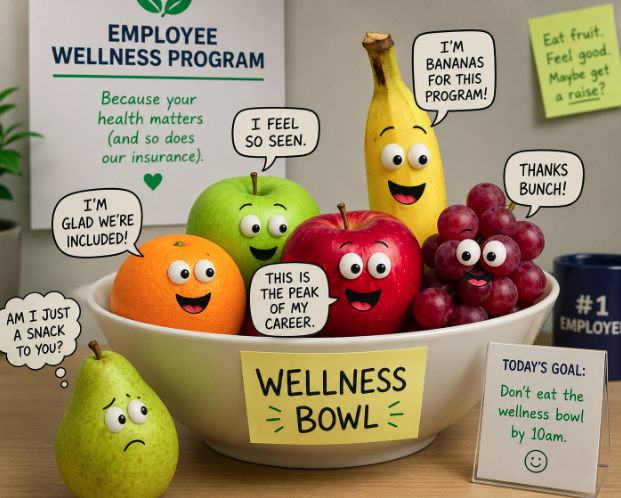
Building a wellness program that balances culture, budget, and compliance takes more than good intentions and a fruit bowl. It takes a plan. That is where CKW Advantage comes in. We help organizations build HR and operations strategies that protect compliance while getting the most out of their workforce.