Media Spotlight – 11/09/2026
Part Two of My Interview On the From Burnt Out to Bought Out Podcast is Out!
Last week, we dug into why employers are struggling to hire. This week, we tackle the other half of the battle: what happens after a candidate says yes—and why strong talent walks out the door.
Hiring gets people through the front door, but retention happens in the day-to-day culture. In this episode, we break down:
- First-day onboarding: How intentional introductions make or break early commitment.
- Selecting the right trainers: Why your top technical performer isn’t always the best person to onboard a rookie.
- Career pathing: Creating genuine progression for future leaders and deep technical specialists.
- The “paper vs. reality” handbook trap: What happens when company policy doesn’t reflect actual workplace practices.
- Targeted HR audits & outsourcing: How to identify operational blind spots and know when it’s time to bring in outside expertise.
- Proactive retention budgeting: Rewarding top performers before they feel forced to ask.
A sincere thank-you to Ryan and Jon for another practical, candid conversation. If you missed Part One on recruitment challenges, [you can catch up here].
Google Gemini Video Summary:
In Episode 29 (Part 2) of From Burnout to Bought Out, hosts John and Ryan continue their conversation with HR consultant Cindy Koenemann-Warren (founder of CKW Advantage). The episode shifts focus from hiring strategies to employee retention, onboarding flaws, leadership mood, career progression, and HR compliance in small-to-medium businesses.
Key Discussion Points
1. The First-Day Onboarding Disaster
- First Impressions Matter: Poor onboarding (e.g., unassigned equipment, dirty trucks, or a rushed 20-minute orientation) signals that the company does not value its staff, driving early turnover.
- Effective Onboarding: Proper onboarding requires prepping gear in advance, matching new hires with patient trainers aligned with their learning styles, and maintaining regular check-ins across the first day, week, and month.
2. Clear Career Paths vs. Ambitious Employee Turnover
- Where is the Ladder? Ambitious employees leave first when there is no clear career progression, transparent promotion criteria, or pay scale. Without defined steps, promotions can look like favoritism.
- Specialist vs. Manager Tracks: Not everyone wants to manage people. Companies should build pathways for technical experts to grow without forcing them into management roles that lead to burnout.
- Family Business Dynamics: Owners must hold family members to the same standards as other employees rather than assuming children will inherit or run the business without accountability.
3. Owner Mood & Company Reputation
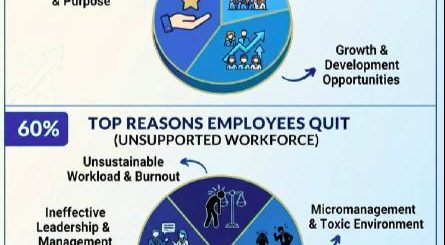
- Managing the Owner: A major unspoken reason employees quit is the owner’s volatile mood, forcing workers to “manage the owner” rather than manage their jobs.
- Auditing Reputation: Reputation travels quickly in trade networks and employer review sites. Owners need trusted advisers who hold up a mirror to their behavior and should regularly inspect exit trends.
- Ditching the “We Are Family” Trap: Framing a business as a “family” often blurs boundaries; employees prefer professional standards, fair compensation, and mutual respect over empty rhetoric.
4. HR Compliance & Outsourcing
- Handbooks as Contracts: Unintentionally failing to follow your own written policies (e.g., altering stated pay dates) creates major legal exposure.
- Safe Compliance Strategy: Keep handbooks minimal, stay consistent, and err on the side of being slightly more generous than legal minimums to avoid compliance traps.
- Outsourcing High-Risk Areas: Outsource complex statutory compliance (such as COBRA, ACA calculations, and payroll/leave administration) to specialists, especially in companies with under 50–100 employees.
5. Retention, Budgeting & Compensation
- Cost of Open Seats vs. Bad Hires: Retaining a good employee is far cheaper than dealing with an open seat (lost productivity for 9–12 months) or a bad hire (which plummets team morale).
- Proactive Compensation: Owners should budget for market-based raises and communicate them before employees ask.
- Total Compensation Transparency: When budgets are tight, evaluate total compensation packages, eliminate underused fringe benefits, and redirect those funds into wages or quality-of-life perks (such as additional paid holidays).
6. Marketing Tip: Careers Page as an Asset
- Careers pages should be treated as recruitment marketing. Rather than listing dry job duties, 80% of the page should highlight individual growth, company culture, and real photos of the team.